
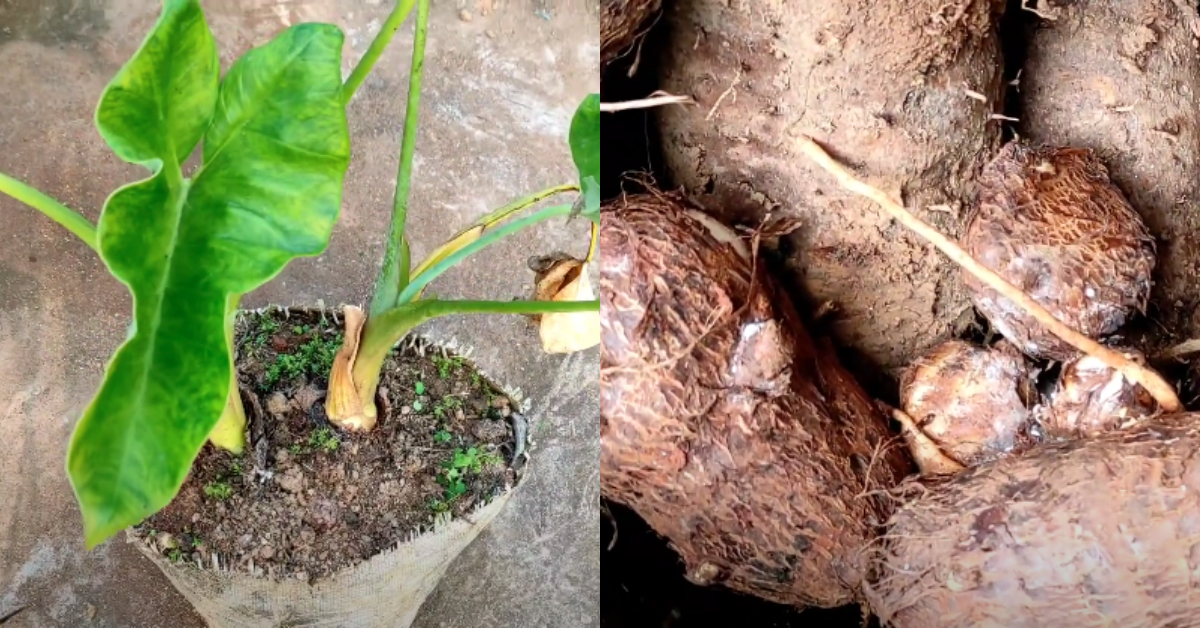
ഇത്ര ഈസി ആയിരുന്നോ ചേമ്പ് കൃഷി; ഈ രീതിയിൽ ചെയ്താൽ ചെയ്താൽ പെട്ടെന്നു കായ്ഫലം ഉണ്ടാകും..!! | Chembu Cultivation Tip Using Compost
Chembu Cultivation Tip Using Compost : ചേമ്പ് ഇഷ്ടമല്ലാത്തവരായി ആരും തന്നെ കാണില്ല. എന്നാൽ ചേമ്പ് കൃഷി ചെയ്യുമ്പോൾ എന്തൊക്കെ കാര്യങ്ങൾ ശ്രദ്ധിക്കണം എന്നും വളരെ കുറഞ്ഞ സ്ഥലത്ത് തന്നെ എങ്ങനെ കൃഷി ചെയ്തു വരാമെന്നുമാണ് ഇന്ന് നോക്കുന്നത്. വീടിനുചുറ്റും കുറച്ചു സ്ഥലത്തോ ചാക്കിലോ വളരെ എളുപ്പത്തിൽ ചേമ്പ് കൃഷി ചെയ്തെടുക്കാൻ സാധിക്കുന്നതാണ്.
അതിനായി ചെയ്യേണ്ടത് കൃഷിക്കുവേണ്ടി എടുക്കുന്ന മണ്ണ് നല്ല ഇളക്കമുള്ള മണ്ണ് ആയിരിക്കണം.ചേമ്പിന്റെ വേര് ഇറങ്ങിപ്പോകാൻ സഹായകമാകുന്ന വായുസഞ്ചാരമുള്ള മണ്ണ് വേണം കൃഷിക്ക് വേണ്ടി തിരഞ്ഞെടുക്കുവാൻ. ഇനി ചേമ്പ് നടുന്നതിന് ആവശ്യം ആയ പോർട്ടിങ് മിക്സ് എങ്ങനെ തയ്യാറാക്കാം എന്ന് നോക്കാം.
Compost
- Improves soil structure & aeration
- Holds moisture, reducing irrigation needs
- Adds organic nutrients steadily
- Helps root / corm formation and better yield
Chembu Cultivation Tip Using Compost
അതിനായി ഗാർഡനിംഗ് സോയിൽ ഗ്രോബാഗിലെ പകുതി ഭാഗത്ത് നിറച്ച ശേഷം ബാക്കി കാൽ ഭാഗത്ത് ചകിരിച്ചോറും പിന്നെ അത്യാവശ്യമായി അടുക്കള കമ്പോസ്റ്റും ചേർത്തു കൊടുത്തു വേണം പോർട്ടിംഗ് മിക്സ് തയ്യാറാക്കുവാൻ. മണ്ണിന് ഇളക്കം കിട്ടുന്നതിനായി ഉമി ഉപയോഗിക്കാവുന്നതാണ്. ഉമി ഗാര്ഡനിങ് സോയിലിന് ഒപ്പം മിസ്സ് ചെയ്തു ഇടുകയാണെങ്കിൽ മണ്ണിന് ഇളക്കം കിട്ടുന്നതിന് ഇത് സഹായിക്കും.
വലിയ ചെമ്പ് ആണ് എങ്കിൽ ഇത് അരകിലോ അര കിലോ ഉള്ള ചെറിയ പീസുകൾ ആക്കി മുറിച്ചു സൂക്ഷിച്ചാൽ നമുക്ക് തൊട്ടടുത്ത വർഷത്തേക്ക് കൃഷി ചെയ്യാനായി ഉപയോഗിക്കാവുന്നതാണ്.ഇനി എങ്ങനെയാണ് വിത്ത് കൃഷി ചെയ്യാനായി മുറിച്ചു വയ്ക്കുന്നതെന്നും ബാക്കി വിശദ വിവരങ്ങൾ അറിയുന്നതിന് താഴെയുള്ള വീഡിയോ കണ്ടു നോക്കൂ.. Chembu Cultivation Tip Using Compost Credit : MALANAD WIBES
Chembu (Taro) Cultivation Tips Using Compost
Chembu is a tropical root crop grown for its edible corms and leaves. Compost-based cultivation is a great way to grow it organically and improve soil health.
1. Suitable Climate & Season
- Grows best in warm and humid climates.
- Ideal temperature: 25°C to 35°C.
- Best planting time:
- Rainfed areas: Start of monsoon (June–July).
- Irrigated areas: February–March or August–September.
2. Soil Requirements
- Prefers well-drained loamy or sandy loam soil.
- Avoid waterlogging for upland varieties; semi-flooded conditions are fine for lowland varieties.
- pH: 5.5 to 7.0.
3. Land Preparation
- Plough the land 2–3 times to a fine tilth.
- Create ridges and furrows or raised beds for better drainage.
- Mix well-decomposed compost or farmyard manure (FYM) into the soil before planting.
4. Compost Application
Use compost to enrich the soil naturally:
- Base application (before planting):
- Apply 10–15 tons of compost or FYM per acre (or 5–7 kg per square meter).
- Mix it well into the topsoil (15–20 cm deep).
- Top dressing:
- Apply a handful of compost (around 250–500 g) around each plant every 30–45 days.
Pro Tip: Enrich compost with neem cake or wood ash to add natural pest resistance and potassium.
5. Planting Material
- Use healthy, disease-free small corms or cormels (preferably 30–50 g in size).
- Plant with spacing:
- Upland Chembu: 45 x 30 cm
- Wetland Chembu: 60 x 45 cm
6. Watering / Irrigation
- Keep soil moist but not waterlogged.
- Water every 4–5 days during dry periods.
- In wetland cultivation, maintain a thin layer of water (2–5 cm).
7. Weeding & Earthing Up
- Weed regularly, especially during the first 60 days.
- Do earthing up (adding soil around the base) after 45–60 days to support root development.
8. Pest & Disease Management (Organic)
- Common issues: Leaf blight, aphids, and root rot.
- Use neem oil spray or cow dung + buttermilk mixture as a natural pesticide.
- Avoid overwatering to prevent fungal problems.
9. Harvesting
- Upland varieties: Ready in 5–6 months.
- Wetland varieties: May take 7–9 months.
- Leaves start yellowing when mature.
Harvest carefully to avoid damaging the corms.
10. Post-Harvest Tip
- Cure harvested corms in shade for a few days to harden the skin.
- Store in a cool, dry place with good ventilation.
Summary
Improves soil texture and water-holding
Provides slow-release nutrients
Encourages healthy root and corm development
Enhances yield organically
Read Also : ഇനി 20 വർഷം ഉപയോഗിച്ചാലും മൺചട്ടി പൊട്ടില്ല.. പഴത്തൊലി കൊണ്ട് ഇങ്ങനെ ചെയ്തു നോക്കൂ.
